México | Argentina

Magnicharters files for bankruptcy insolvency after suspending flights
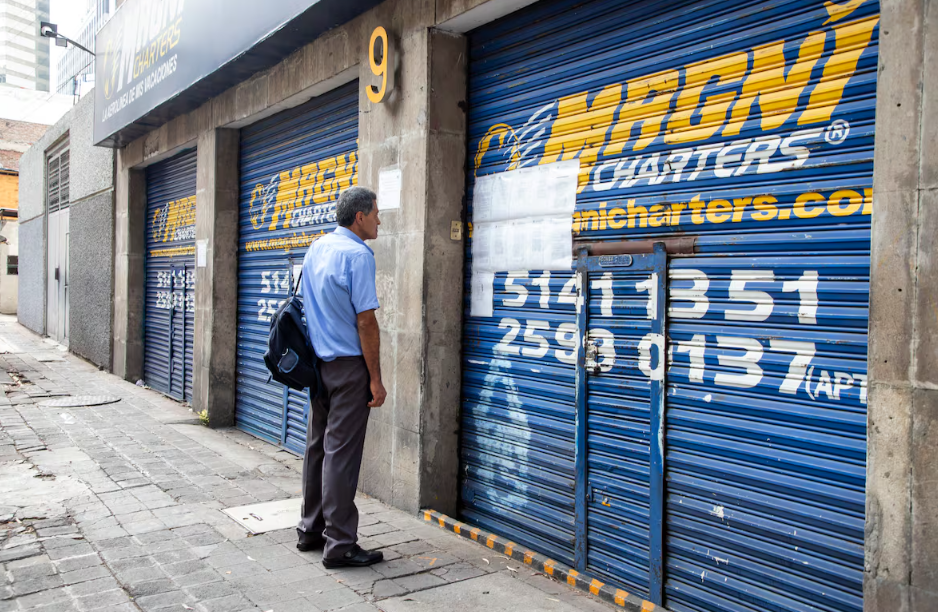
Magnicharters is facing serious financial trouble. The Mexican airline filed a voluntary bankruptcy request. It happened on May 8. The case is now in a commercial bankruptcy court in Mexico City.
This news comes after weeks of uncertainty. The airline suspended its operations on April 11. Thousands of travelers were left stranded. Popular destinations included Cancún, Mérida, Puerto Vallarta, and Huatulco.
What is voluntary bankruptcy?
Voluntary bankruptcy is a legal process. It is designed for companies that cannot pay their debts. The airline admits it has no money to cover its obligations.
The process has two possible phases. First, a conciliation stage. The company tries to restructure and reach agreements with creditors. If that fails, bankruptcy follows. In that phase, a judge orders the sale of assets to pay back debts.
How did the crisis start?
On April 11, Magnicharters issued a brief statement. The airline said it could not operate its scheduled flights. It blamed “logistical problems.” The initial timeline was two weeks.
But the situation was much worse. Thousands of passengers were stranded. Many lost their vacations. Others had to pay for emergency flights on other airlines.
In the first quarter of 2026, the company transported nearly 34,000 passengers. That is official data. The airline had over 30 years of experience in Mexico.
Government intervention
Days later, AFAC took action. Mexico’s Federal Civil Aviation Agency suspended Magnicharters’ operating certificate. The reason: lack of financial capacity. This posed a risk to operational safety.
Sectur and Profeco also stepped in. They set up contact lines to help affected tourists. Travel agencies with pending reservations also received support.
Millions in debt
Travel associations have calculated the damage. Debts to travel agencies and tour operators exceed 150 million pesos. That does not include money owed to employees or tax authorities.
The situation is critical. Magnicharters is not the first Mexican airline in this position. In 2023, Aeromar stopped flying. It had debts over 522 million pesos. In 2020, Interjet also suspended operations due to financial insolvency.
Expert opinion
Rogelio Rodríguez is an aviation law expert. He studied at UNAM. He explains that bankruptcy is not an automatic death sentence. It is an extraordinary measure.
“Voluntary bankruptcy is a plea for help,” he says. The company is seeking help from the judicial system. It wants to renegotiate its debts. The goal is to get back in the air.
“Bankruptcy should be an opportunity,” he adds. The question is whether Magnicharters has a real rescue plan. Will it follow the path of Interjet and Mexicana? Or will it do things right?
What comes next?
The case file is now in court. For now, it only shows the filing date. Notifications have been ordered to all involved parties. Now everyone waits for the judge’s decision.
If the judge accepts the request, conciliation begins. The airline will have time to negotiate with creditors. If no agreement is reached, bankruptcy will follow.
Meanwhile, Magnicharters’ website only asks for understanding. It promises future contact with affected travelers. There are no dates or concrete promises.
Magnicharters is facing its toughest moment. The 30-year-old airline is against the ropes. The flight suspension left thousands of travelers stranded. Debts exceed 150 million pesos.
Voluntary bankruptcy is its last resort. It could be an opportunity to restructure. Or it could be the beginning of the end. The history of Mexican airlines shows the road is not easy. Aeromar and Interjet already went through this. Both stopped flying.
Now, everything depends on Magnicharters. On its rescue plan. On the agreements with its creditors. And on the judge’s final decision.